Written by: Ivka Barić
Photos: Suzana Holtgrave
…
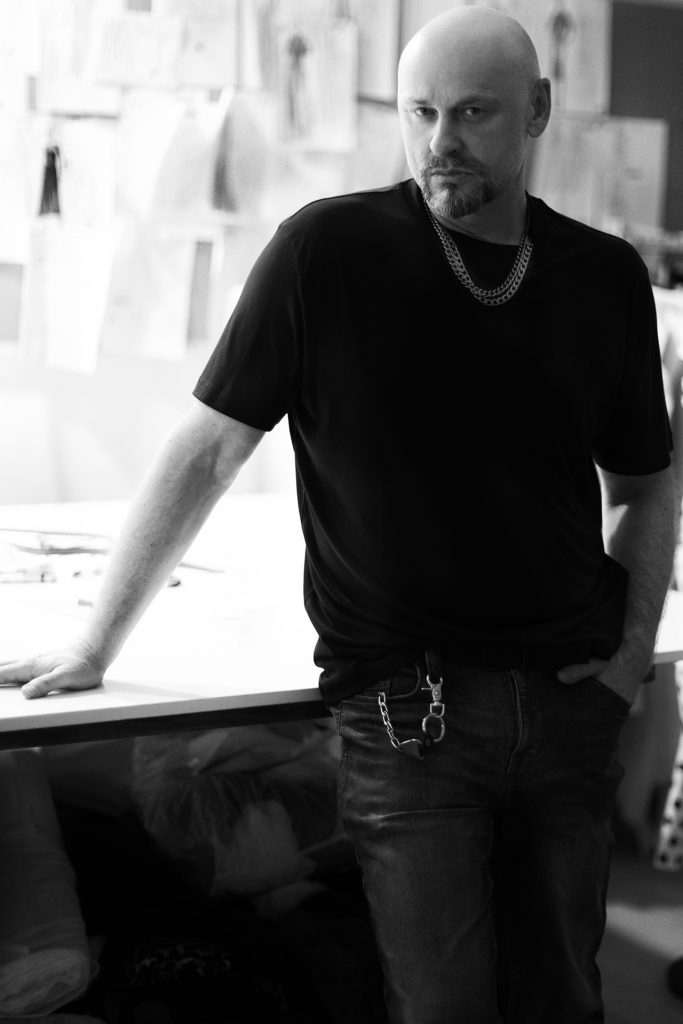
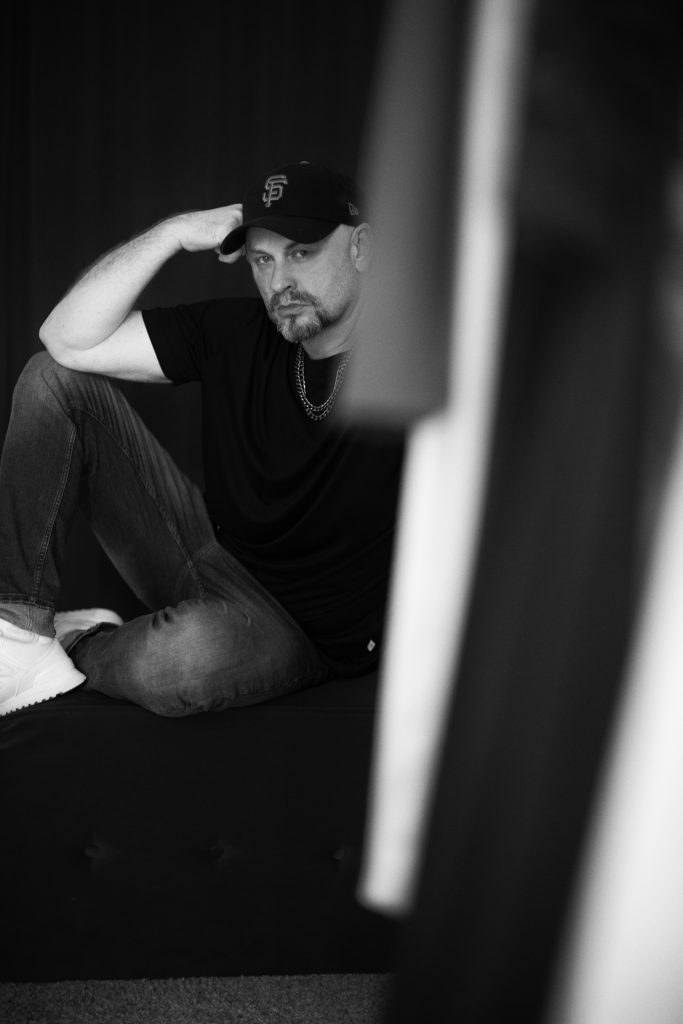
When you step into the world of Dalibor Betti, you enter the realm of timeless style and unlimited creativity. For this visionary of the Croatian fashion scene, every creation is a story in itself, told with incredible attention to detail and a passion that never fades. It’s no wonder that when it comes to Dalibor Betti, all roads lead to style. And not just any style, but one unmatched and without room for the slightest mistake. The fact that his elegant fashion signature knows no boundaries is evidenced by the many famous people who have worn his creations, from the first Croatian president Kolinda Grabar-Kitarović, whose husband chose one of his creations for his inauguration, to the mega-popular Severina, for whom he designed the famous lilac dress from the music video for the unforgettable hit of the same name.
There’s also a whole host of notable figures: Jadranka Kosor, Sanja Musić Milanović, Nina Badrić, Ivana Vrdoljak Vanna. He has dressed men too, and he proudly emphasizes how his creation was chosen by the unforgettable Oliver Dragojević. Behind every dress or piece of clothing that bears Dalibor Betti’s signature lies the story of a man whose passion for fashion began long before he became an unmissable name in the domestic fashion scene. From a young age, he showed an incredible affinity for the world of fashion, and over time, his passion became his profession.
His first job in the fashion world was as a men’s fashion designer at Škorpion Fashion, where he was responsible for styling Stjepan Mesić, then the president of the Presidency of Yugoslavia. Later, in the 1990s, when the domestic fashion industry was in free fall, Dalibor Betti, as a designer for the mega-successful fashion house Linea Exclusive, tells an incredible success story. He earned a reputation by creating luxurious and glamorous creations that were on par with the then still unattainable West, worn by all the stars of that time, as well as numerous famous beauties adorned with titles from beauty contests.
His name has become synonymous with sophistication and innovation. This has attracted numerous loyal customers, both domestic and international. The fashion shows of Linea Exclusive became the social events of the season, with queues along the runway looking like a “Who’s Who in Croatia” guide.
Following that, he spent years as an art director at the domestic fashion giant Heruc, eventually realizing his fashion dreams at the True fashion atelier. This gave him the freedom to pursue his vision without compromise, creating collections that are never mere reflections of trends, but instead set new standards, leaving no room for compromise in terms of quality and aesthetics.
What particularly distinguishes Dalibor Betti is his determination to support domestic production. Even in times when many turned their backs on local resources, he collaborated with local artisans and manufacturers to strengthen the textile industry in the country.
He has also used his success to help others, participating in humanitarian initiatives, including the “Together Against Cancer” campaign, where leading Croatian fashion designers participated in a charity fashion show to raise funds for the fight against this serious illness.
Dalibor Betti’s long-standing success in the Croatian fashion market is undoubtedly due to his incredible creativity, which has made him a voice of hope in the domestic fashion scene. When he began designing, there were only a handful of well-known designer names in Croatia. Today, with so many it’s hard to count, there’s no doubt that his story and fashion journey have inspired numerous young talents, serving as a reminder that passion and innovation can turn the tides even in the most challenging times.

How does designing under your own name differ from working for fashion houses?
Fashion houses create large collections that encompass a broad group of clients and a large market. Sometimes I worked on both men’s and women’s collections simultaneously. In that case, you need to produce more models over a longer period. When you work under your own name, you have the luxury of a personalized approach to each client. The focus is on the individual for whom you are designing, their body shape, personal preferences, and the occasion for which the model is intended.
Where do you find inspiration?
I find inspiration in life. Nature, various details, art… it’s all around me. Sometimes the material from which the creation is made inspires me, sometimes it’s the person for whom it’s being made, or a particular occasion.
Do you prefer creating for women or men?
Personally, I prefer creating for women. It’s more fun and challenging because there are countless combinations, textures, materials, and variations you can apply when creating a model.
Did Stjepan Mesić and Kolinda Grabar-Kitarović respect your ideas or did they “push” their own?
Dressing politicians isn’t a particularly demanding process because there are certain rules you have to follow. The clothing shouldn’t “scream,” and as such, the creative space is limited. Nothing should dominate on politicians; it must meet the form of so-called smart dressing. The words they speak are more important than current fashion trends. However, fashion can certainly help them convey their messages more effectively to the electorate. Some politicians are inclined to listen to advice, while others insist on details they believe are key and “convey” a message, and therefore they don’t give them up. In such cases, you have to compromise on both sides because some never relent.
How would you rate the style on the domestic political scene?
It’s quite poor because some politicians simply do not dress according to the functions they perform. By doing so, they don’t respect the institutions they belong to or represent. I can’t imagine jeans in Parliament or sleeveless summer dresses.
Who do you think are the best-dressed Croatian women?
To me, they are women who are not on the so-called “scene” and whom I know personally. These are individuals who have developed their own style to perfection. Most of them are successful businesswomen, but if I had to single out someone from the so-called “scene,” it would be Nina Badrić and Ljupka Gojić Mikić.
Can you mention any stars, domestic or international, whom you consider your muses?
I don’t have a muse like some designers do. On the international scene, I follow what Madonna and Zendaya wear. I’d say that I’m more inspired by the work and collections of Jean Paul Gaultier and Alexander McQueen than by any star on the red carpet.
Your name is often highlighted as a synonym for business elegance, and you have also created numerous glamorous dresses worthy of the red carpet. Which style do you find more appealing to create?
I don’t have a preferred style. Dressing politicians or stars for the red carpet is equally demanding and stressful. Both are in the public eye, under cameras, and therefore subject to scrutiny. Additionally, criticism comes along, so the pressure is the same for me.
What do you remember about the glamorous shows of the 1990s when internationally renowned modelling names also graced domestic runways?
I remember that period mostly for the huge amount of work. The collections were large and demanding, regardless of which fashion house I was working for at the time. I also remember many sleepless nights, the effort to meet all the parameters of such events, and the anticipation of reviews and public opinion the night after.
Do you think that our stars, female politicians, and successful businesswomen wear enough domestic fashion design?
I think that trend is improving. It wasn’t like that in the past, but there is increasing awareness of the emphasis on domestic design and its presentation.
How would you describe your first step into the world of fashion design and how your career actually developed?
From the very beginning, I was involved in dressing President Mesić. Since then, business and creative challenges have just kept coming, leaving no time to look back or take a break. In any case, there has been a lot of work, and with each new fashion house, expectations have risen.
The creations you made for Heruc were sold all over the world. For a time, they were even exported to New York. Today, we can only nostalgically remember those times. What do you think was the “deciding factor” for the domestic textile industry?
The drop in labour prices on the global scene was decisive. Clothing production has “moved” to another part of the globe, to large countries like China and India. As a result, we became uncompetitive in the global market. Globalization is largely to blame for the decline of the domestic textile industry.
How stressful is it to run your own fashion brand in a turbulent environment?
Extremely! Especially now that everything is available with a “click.” The speed of production, the price of clothing, so-called fast fashion has made this business very stressful and exhausting.
Do you have advice for young designers?
Arm yourself with patience, thick skin, and nerves.
It is often emphasized that at a certain age we should stop wearing certain clothing items or colours. Should we limit ourselves?
I think these recommendations are just meant to promote certain trends for specific ages. Today, there’s a greater emphasis on individuality, making it difficult to set boundaries. Personally, I believe one should not cross the line of good taste; everything else is individual.
Do you think there is a universal formula for good style?
There is no formula for good style because what works for one person does not work for another. Furthermore, fashion constantly breaks the rules, so something that used to work may no longer be valid today. Even when you’re doing a show, be careful about which model wears which piece because not every model looks good in everything.
Are the lines between men’s and women’s fashion being blurred? Are we heading towards a unisex world?
They are somewhat being blurred with varying degrees of success, but I don’t think there will ever be total unisex fashion because men are from Mars, and women are from Venus.
You maintain your own authentic style in an industry that evolves quickly. How do you avoid the traps of trends?
When you have your own aesthetic and have been in this business for a long time, trends only guide or draw your attention but do not dictate your expression. Additionally, trends often “cycle” and usually reference the past.
What do you see as the advantages and disadvantages of fast fashion?
Fast fashion has made fashion accessible to a large number of people on a global level. Prices have been lowered, and copies of successful designs from major fashion houses have emerged. The downside is that most people believe that fashion today comes “from somewhere,” rather than being created over months in ateliers with meticulous work.
How do you see the future of fashion?
Unfortunately, I see it in large corporations that already dominate the global market. If you don’t align yourself with one of them, it will be difficult to become a global brand. The rest will remain in “fast fashion,” which will continue to copy big brands, thereby polarizing fashion into expensive and cheap…