Written by: Darko Vlahović
Photos: Martin Seck
…
In the heart of Taiwan’s capital city, Taipei, hidden in a quiet alley between Jinshan South Road and Renai Road, is one of the most dynamic private contemporary art galleries in Asia – Nunu Fine Art.
It was founded in 2014 by international art dealer Nunu Hung with an ambitious mission: to create a bridge between the Taiwanese and global art scenes. In just eleven years of existence, the gallery has grown into a recognizable name on the international stage, opening, in addition to its Taipei headquarters, a branch in New York.
The very name of the gallery, which is a kind of play on synonyms (the founder’s personal name and a router in Mandarin), reveals its philosophy: Nunu Fine Art is conceived as a platform for the exchange of information, ideas, and aesthetic experiences.
In this spirit, the gallery strives to connect established and less-established European, North American, and Southeast Asian artists, opening new dimensions for collectors and art lovers in Taiwan.
It relies on a double perspective: an innate sensitivity to Asian cultural heritage and a perceptive insight into global artistic currents.
– At Nunu Fine Art, we are completely devoted to art. In just ten years, we have built a strong vision focused on respecting the very essence of art and creating an environment where artists can boldly express their ideas.
In the art world, subject to rapid change and often under the pressure of market trends, we remain firmly committed to our mission: preserving the true spirit of art – a dynamic space for reflection, imagination, and cultural exchange – said the gallery’s founder Nunu Hung for Symbol.
The Nunu Fine Art gallery was therefore founded just over ten years ago. We are interested in what the initial vision behind its establishment was.
– At that time – says Hung – we noticed a lack of galleries in Taiwan dedicated to presenting non-Asian artists with important contributions to the history of art, artists often represented by international museums and curatorial projects. For me, bringing these artists and their works to Taiwan, creating new inspiration and intellectual challenges for local collectors and audiences, was the main reason for opening the gallery.
In its early years, Nunu Fine Art presented works by important artists such as Rona Pondick, Kees Goudzwaard, Rose Wylie, Petah Coyne, and many others.
– Our goal from the beginning was to build a bridge between Taiwan and the international art world – our interlocutor clearly states.
The gallery prioritizes artists whose works deal with powerful ideas and current themes.
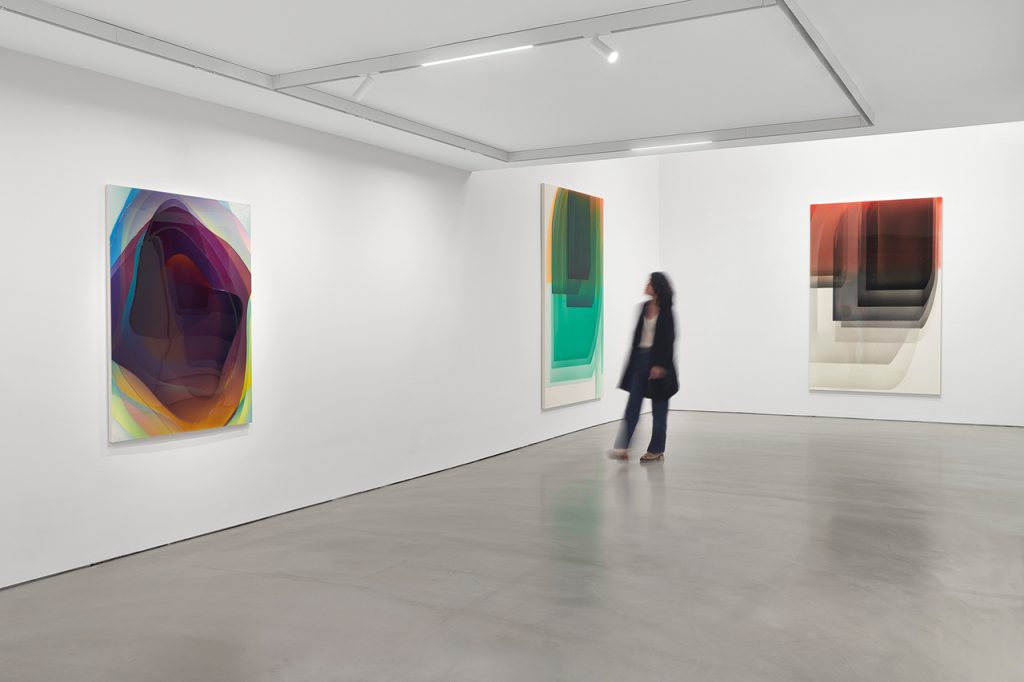
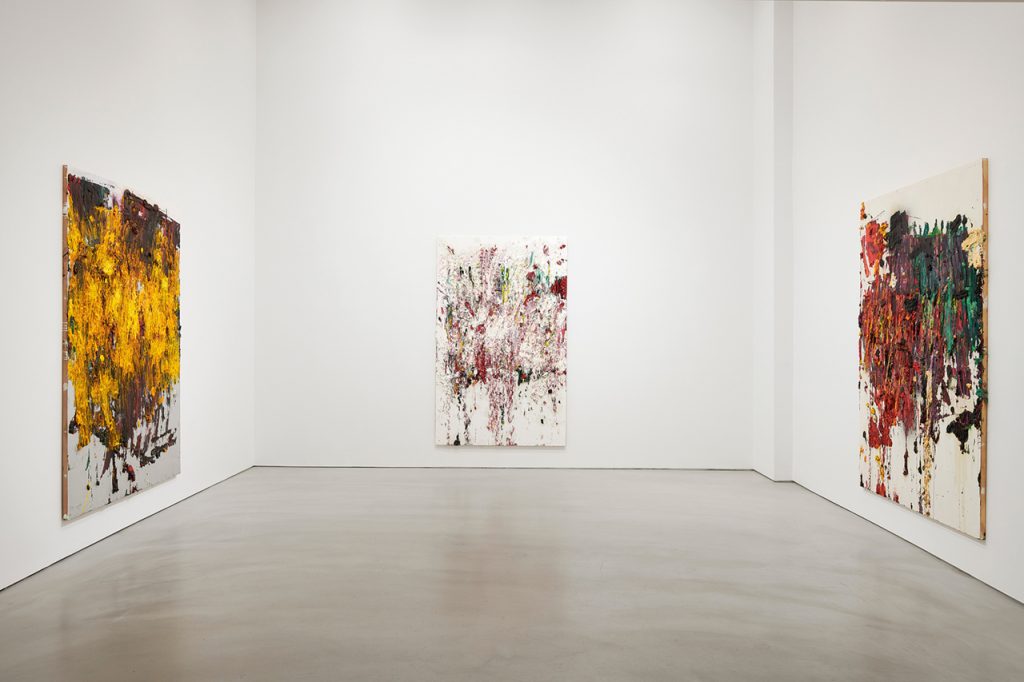
– For example, Ana Teresa Barboza, in a powerful way through her textiles and embroidery, raises questions about the environment. Peter Zimmermann stands out for his engagement in the field of technology and digital culture. We are proud to work with artists committed to aesthetics and who boldly push the boundaries of their media – like Rodney Dickson, who tirelessly explores the possibilities of painting – says Hung.
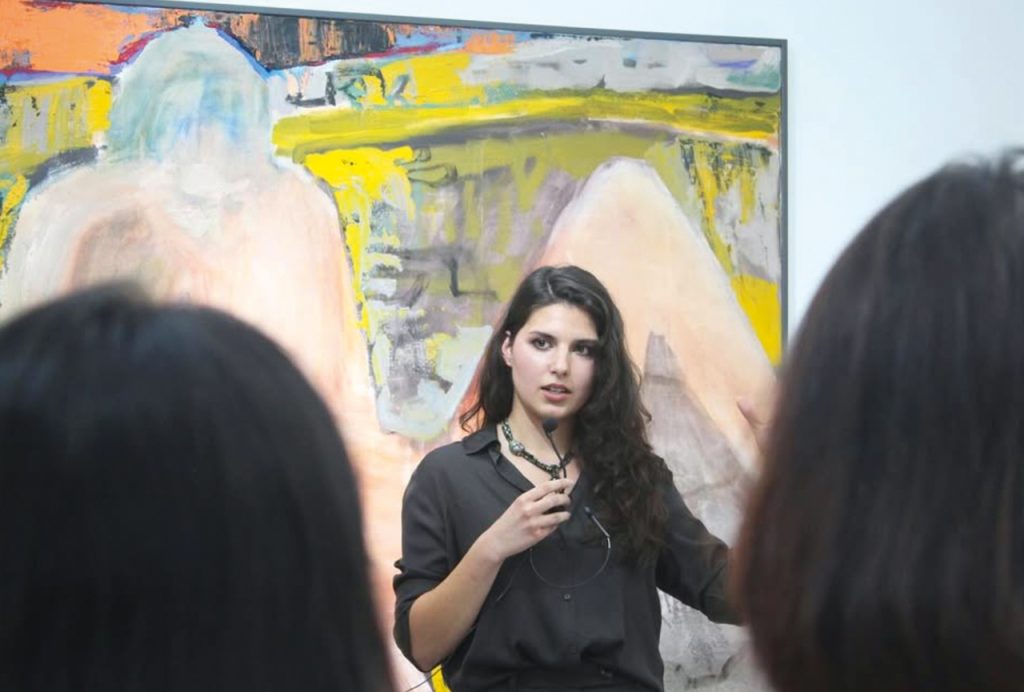
When shaping the annual program, she emphasizes, she remains firmly faithful to those values, ensuring that her exhibitions encourage important dialogues among regions, disciplines, and ideas, rather than following market trends alone.
We ask how she reconciles the local identity of Taipei with the gallery’s international orientation. What audience does Nunu Fine Art attract – local, regional, or international?
– Our gallery presents a selection of internationally recognized artists who attract the attention and support of institutions and curators worldwide – she replies.
In its beginnings, as the first gallery in Taipei dedicated to this goal, it had a limited buyer base.
– But over time we successfully developed a dedicated group of collectors, many of whom conducted their own research, and for some, it was their first experience purchasing artworks.
The gallery places great importance on publications, content creation, and artistic presentation of works. Over the past decade, it has regularly published its own Nupaper, which emphasizes substantive texts and concepts rather than merely aesthetically appealing catalogues.
– We are aware that the effects of our program often become fully apparent only after one or two years. Our collectors actively engage with us in intellectual challenges; they are not just art buyers but participants in the broader conversation and ideas that these works open. Through such involvement, we strive to align Taipei’s local identity with a global outlook, connecting the local audience with the international art scene through carefully designed programs and content – says Hung.
In April 2023, in the very heart of Manhattan, at 381 Broome Street, Nunu Fine Art opened its branch – the first Taiwanese gallery in New York. With this, Nunu Hung wrote a new page in her country’s cultural history, expanding the gallery’s program to the world’s art capital, in a nearly 280-square-meter space.
This step was not just a matter of prestige, but a carefully considered decision.
– Opening our New York branch significantly strengthened our ties with the international art world, especially with leading institutions and curators. This brought us a wealth of academic and critical engagement around our programs, resulting in extensive media coverage and exciting opportunities to collaborate with renowned curators – says Hung.

Situated in a vibrant artistic landscape, the gallery opened space for new collaborations, connecting different artistic traditions.
– In New York, we strive to highlight the rich diversity of Asian art and encourage relevant dialogues between Asian artists and a global audience.
Since its founding, the gallery has realized more than fifty exhibitions, mostly at its headquarters in Taiwan.
Alongside exhibitions, the gallery actively participates in international art fairs. Since 2017 (when it first participated in Volta in Basel) until today, it has recorded about twenty appearances, among others in Houston, Manila, and Mexico City.
Its program has included artists from both Americas, Europe, and Asia – from internationally recognized authors whose works are in institutions such as the Met, MoMA, Centre Pompidou, and Tate London, to mid-career, as well as very young artists.
– We are proud to be pioneers, introducing exceptional and fresh artists into our region. To provide the local audience with diverse perspectives and stories, we collaborate intensively with artists from Latin America (Ishmael Randall-Weeks), Canada (Caroline Monnet), and Croatia (Marta Katavić).
We are curious how the collaboration with the young Croatian painter came about and what the reactions to her exhibition were.
– We are delighted to have presented Marta Katavić, an exceptionally talented young artist, to Asia. Although very young, she already has impressive museum experience and creates works that meet the highest standards. Her first exhibition in Taiwan was a true milestone, deeply resonating with local collectors. It was a great success. The audience was captivated by her works and enjoyed personal contact with her. We are proud that several of her works will remain in Taiwan, creating a lasting connection between the artist and the local audience.
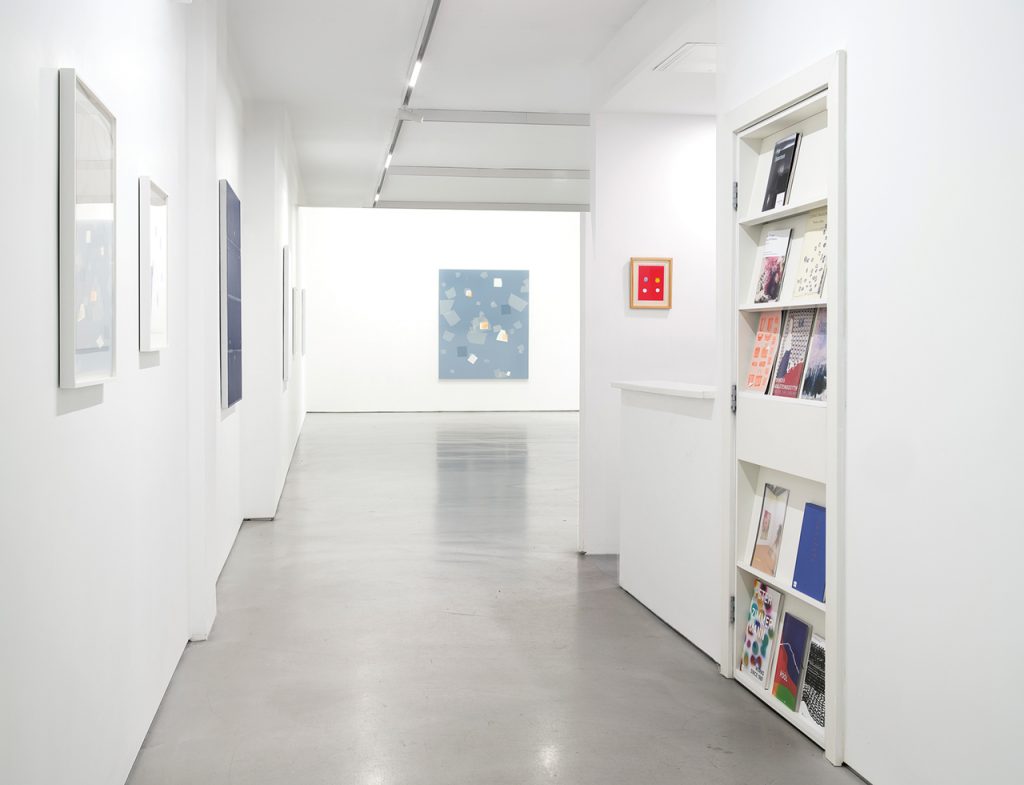
Born in Križevci in 2000, Katavić graduated in painting from the Academy of Fine Arts in Zagreb, where she was awarded the Rector’s Award and graduated magna cum laude. Despite her youth, she has had a number of group and solo projects in Croatia and abroad, including an exhibition at the Museum of Contemporary Art (MSU) in Zagreb.
– The collaboration with the Taiwanese gallery came during my solo exhibition at MSU. In the short period she was in Zagreb, Nunu Hung was walking through the museum and, in the final minutes before closing, happened to come across my works. She immediately contacted me. That same day, we met and agreed on the exhibition – recalls Katavić.
In the setup of her exhibition at Nunu Fine Art – open from mid-June to mid-August this year – Katavić primarily wanted to connect the figurative and the abstract.
– The motif of Mexican landscapes was executed on stainless steel panels that are reflective and change depending on the position from which they are viewed and the surrounding context, while the canvases depict people in everyday situations. Both are abstracted to a certain degree, leaving room for different answers, roles, and reflections from the viewer’s perspective. The paintings themselves have no identity or meaning, which gives the opportunity to explore them. The setup consisted of new works I created as a continuation of the series exhibited at MSU, along with those already shown there – says Katavić, adding:
– I was given the green light to be free to create and choose according to my judgment, so I allowed myself a small experiment with metals and my own uncertainty about whether it would work.
We ask how the exhibition was received by the local audience and critics.
– The response was surprisingly large, considering that I was in a foreign country where I knew no one except the gallery team. I experienced the audience as very open, especially because of the number of questions they asked, and they asked them with inexhaustible curiosity. It seems to me that the exhibition was well received, and I recently got such feedback from the gallery – says Katavić.
Some of her works are exhibited in the group exhibition Grounds for Living in Taichung (Taiwan’s second largest city), which will be accompanied by video documentation by the cultural foundation THE 201 ART.
We ask what this career step means for her. Will it open the doors to the Asian market?
– For me, this is a small insight into the outside world, an extraordinary experience of professional collaboration, and an additional incentive to continue working and nurturing what fulfils me. The people there, as I experienced it, deeply value and respect art and also invest in it. The standards are higher and the market is much larger. If these exhibitions mean further collaborations with the Asian market – excellent, and if not, it is still completely fine – she says.
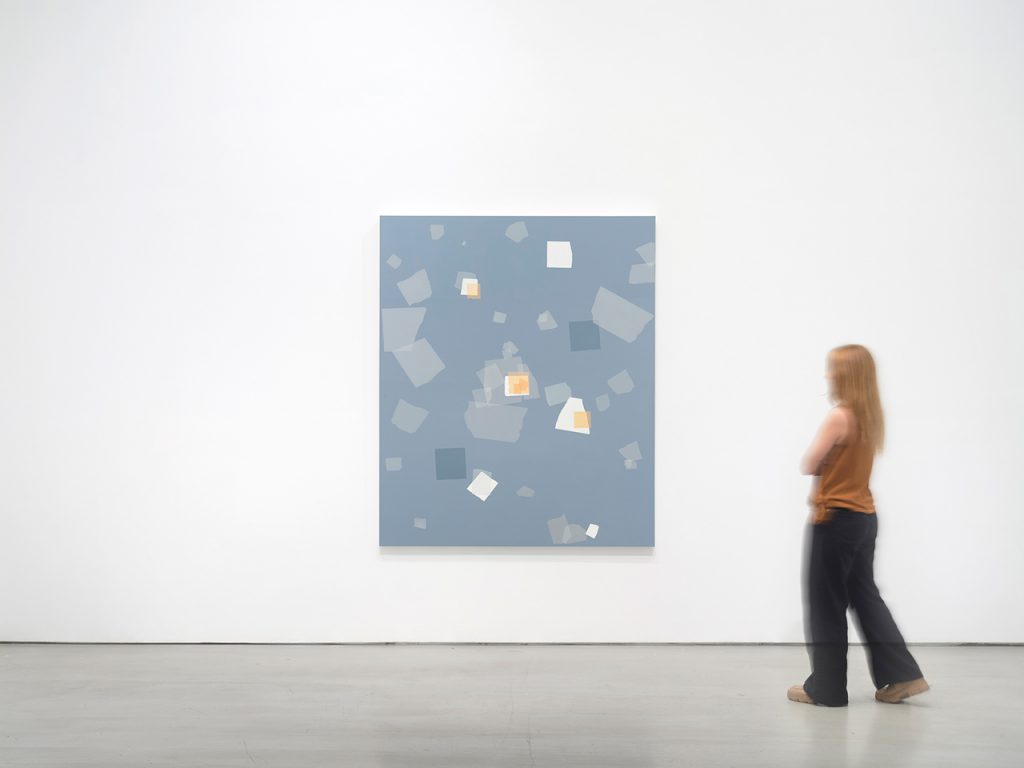
One of the proclaimed goals of the Nunu Fine Art gallery is the promotion of young artists and the connection of cultures and continents, and judging by the example of Marta Katavić, it seems to be fulfilling that mission quite well.
Finally, we ask Nunu Hung what her plans are for the coming years.
– With excitement, we announce a series of international exhibitions in New York, where the exceptional talents of Canadian indigenous artist Caroline Monnet, Taiwanese indigenous artist En-Man Chang, and Filipino artist Jose John Santos III will be presented. In January 2026, we will present an exhibition of Grace Metzler, followed in March by an important historical and academic exhibition with works by Hans Bellmer, Bruce Nauman, and Rona Pondick.
In Taipei, we proudly present a dynamic range of international artists, including the Cuban duo Ariamna Contino and Alex Hernández-Dueñas. Many of these exhibitions will be connected with our other programs. For example, when Peter Zimmermann exhibits in Manila, at the same time we will present his outstanding epoxy paintings in Taipei.
Furthermore, we are launching new publications. After the successful edition of Rodney Dickson’s catalogue, we are excited to announce that another important book is in preparation…