Written by: Rosie Kuglie
Photos: Milan Djakov & Zoran Škrbić
…
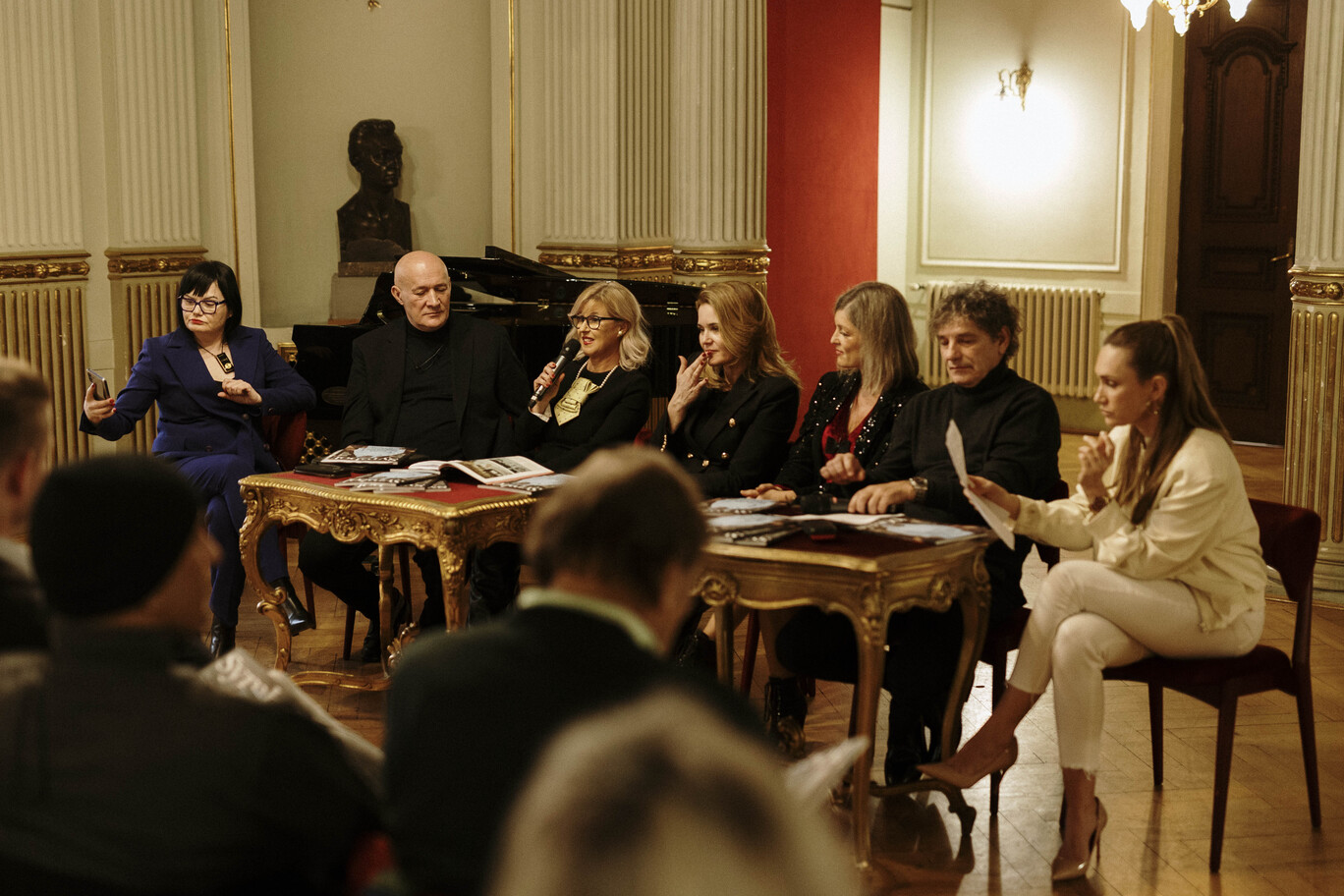
When art finds its sanctuary in architecture, when culture becomes the cornerstone of a society, a place like the Madlena Palace of Arts is born. This magnificent temple of art and beauty, nestled in the very heart of Belgrade, not only bears the name of its founder —it embodies her philosophy: art as legacy, culture as a bridge between past and future, and aesthetics as an essential impulse of human creation.
Every room within this monumental edifice tells a story—one of refined elegance and unwavering devotion to detail. Its decorative elements conjure the golden age of European courts, while the museum exhibits breathe life into the spirit of bygone eras and diverse cultural traditions. At its heart lies the Museum of Antiquities, home to precious collections of period furniture, artworks and rare books—each piece a whisper from centuries past, woven into the fabric of the present. The opulent temple of culture is owned by Mrs Madlena Zepter and Mr Philip Zepter, a couple whose vision gave rise to a space where art is not only preserved—but reimagined, and given new meaning.
Within this magnificent space, the exhibition “My Naïve Art“ has opened—a retrospective showcase of naïve painting that brings together the most prominent artists of the genre from Serbia and Croatia. The exhibition offers visitors a singular experience, where artistic expression blends seamlessly with elegant surroundings, creating a harmony of visual splendour and spiritual serenity.
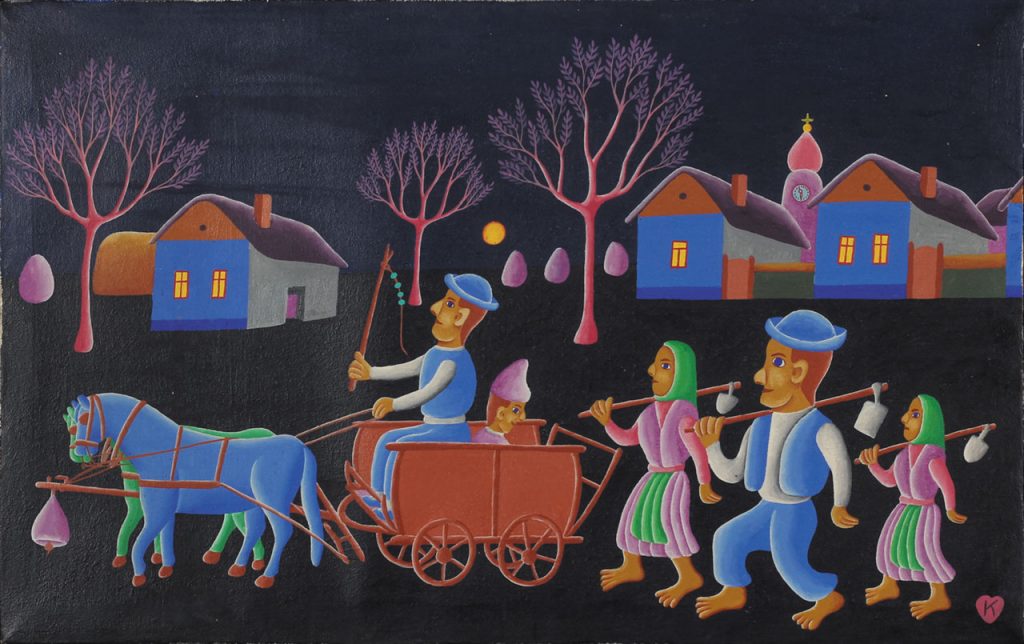

Naïve art, described by French artist Jean Dubuffet as art brut—raw or untamed art—and classified by English art historians under the broader term outsider art, represents a unique form of visual expression that emerges beyond the bounds of traditional academic institutions. Self-taught painters, unshaped by formal education, capture the world around them with instinct and spontaneity— rendering traditional motifs and scenes from everyday life in canvases brimming with colour and emotion. It is precisely in this immediacy, this unrestrained creative energy and the honest simplicity of their vision that the magic lies —a magnetic force that continues to captivate audiences around the world.
And regardless of the many names it has carried—primitive art, art of instinct, folk art, or even painters of the sacred heart—naïve art has always remained true to its essence: to depict the world as the artist feels it, and as the artist sees it.
The exhibition “My Naïve Art” brings together, in one place, the works of artists from the two most renowned schools of naïve art—Kovačica in Serbia and Hlebine in Croatia. Kovačica, a town rich in Slovak cultural heritage, has cultivated a vibrant painting scene since the 1930s, led by greats such as Martin Paluška, Jan Knjazović, and Martin Jonáš. These artists are distinguished by their bold use of colour, pastoral themes, and meticulously crafted narrative iconography—celebrating rural life, folk traditions, and the enduring spirit of folklore.
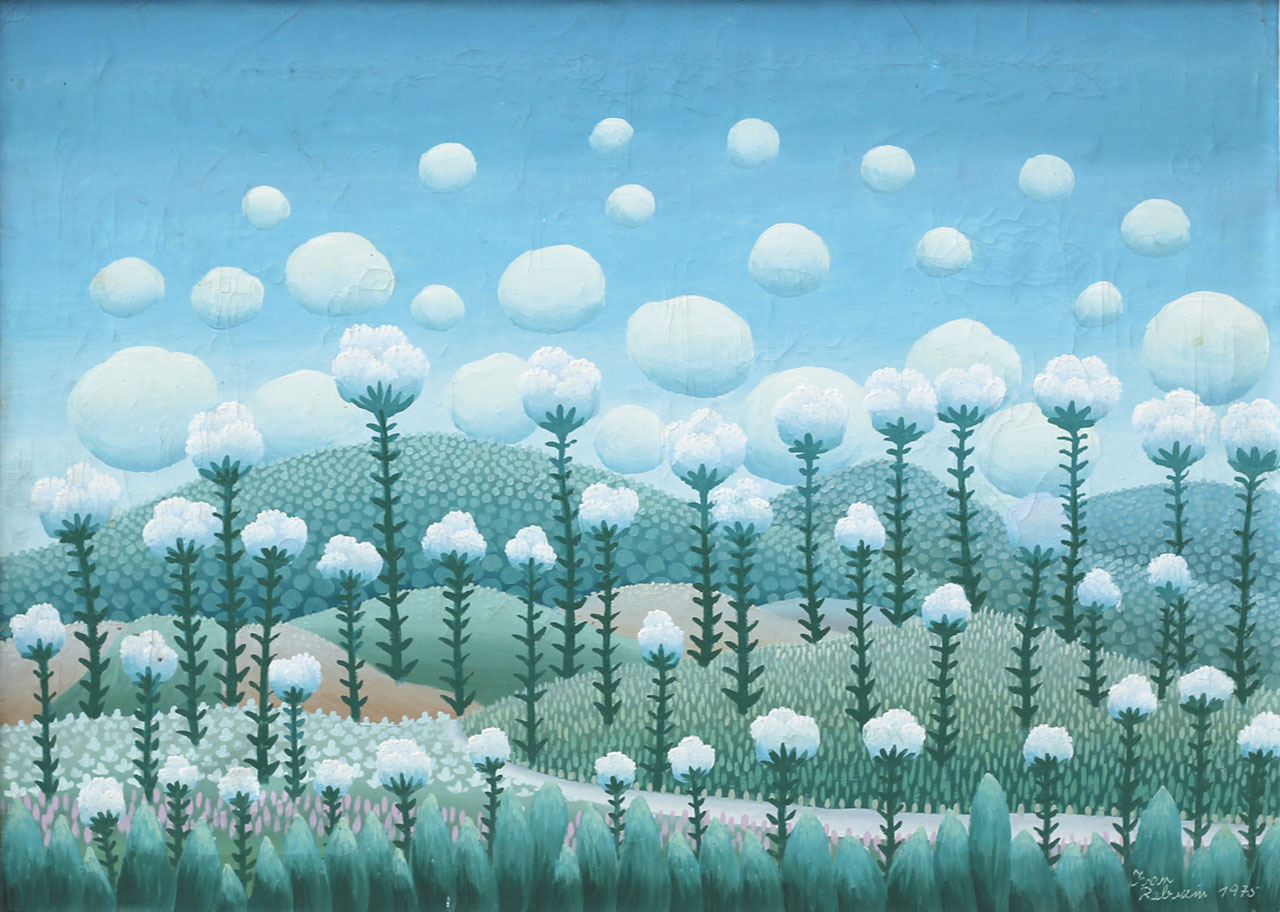
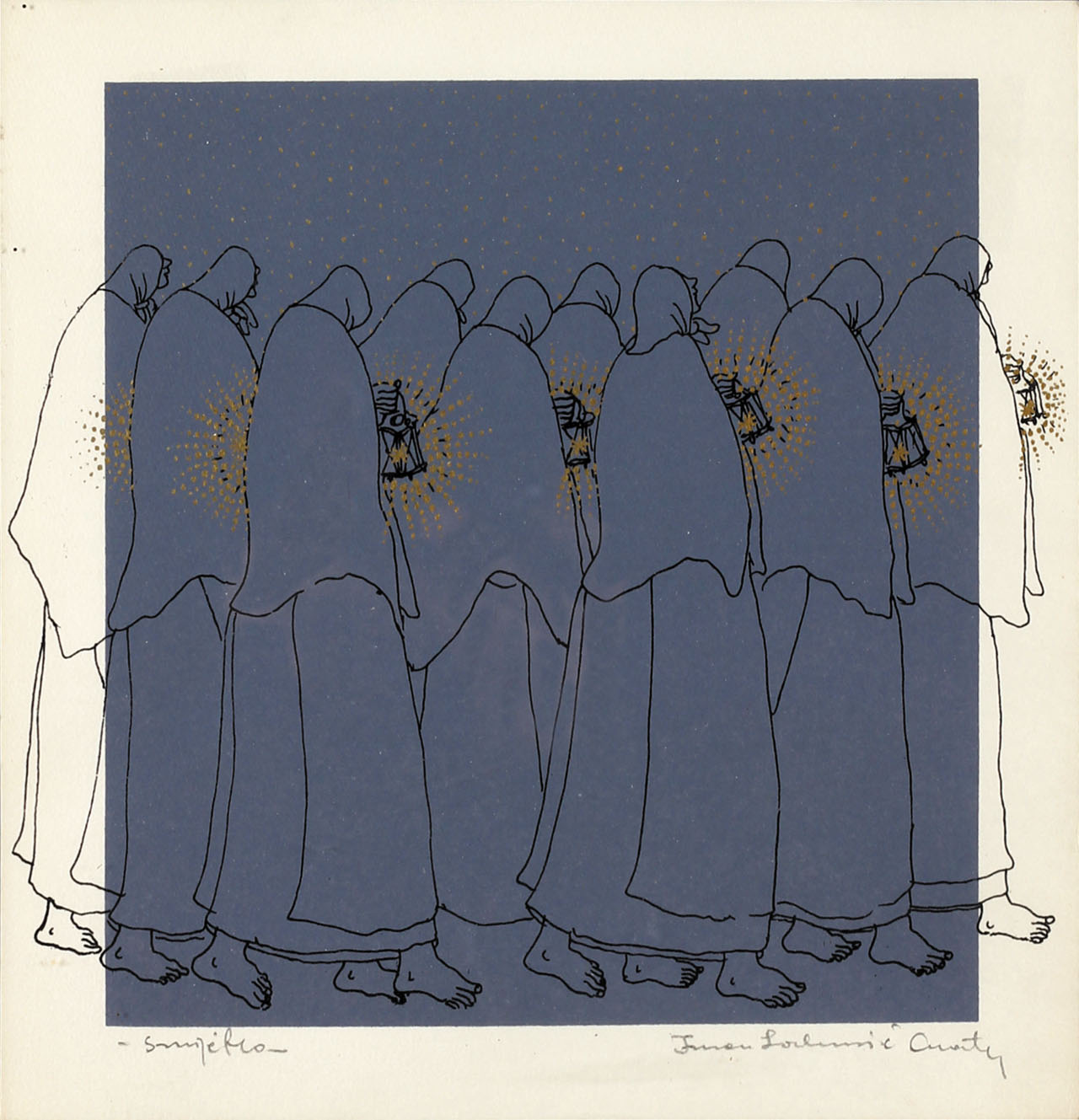
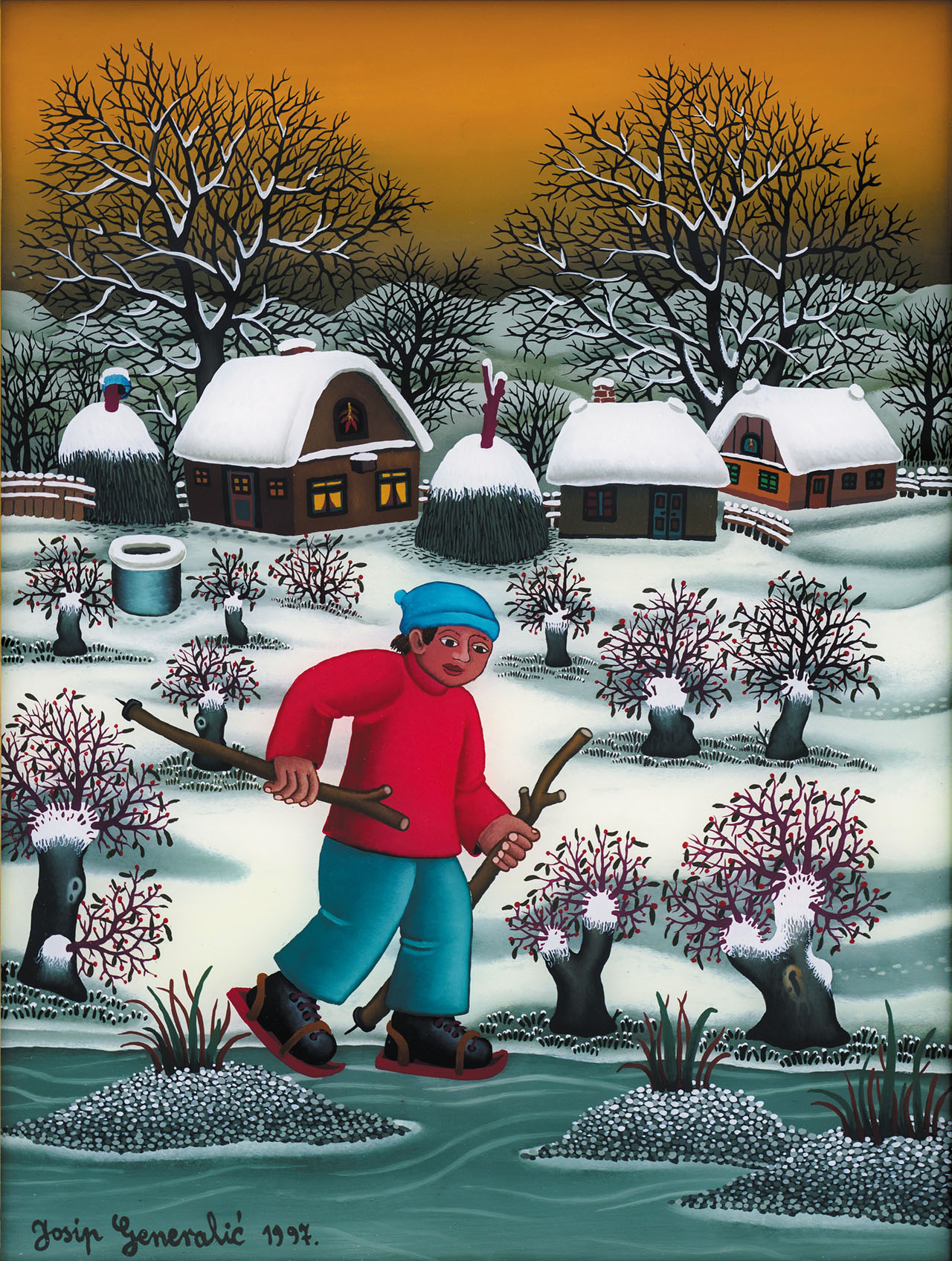
The Hlebine School traces its origins to the works of Ivan Generalić, Mirko Virius, and Franjo Mraz, who—despite lacking formal academic training—developed a distinctive and deeply personal painting style. Their paintings radiate an idyllic vision of rural life, yet often carry powerful social messages, rich symbolism, and allegorical scenes beneath the surface. A hallmark of the Hlebine School is its unique technique of painting on glass, which has become its signature and set it apart on the global art scene—celebrated for its emotive power and unwavering authenticity.
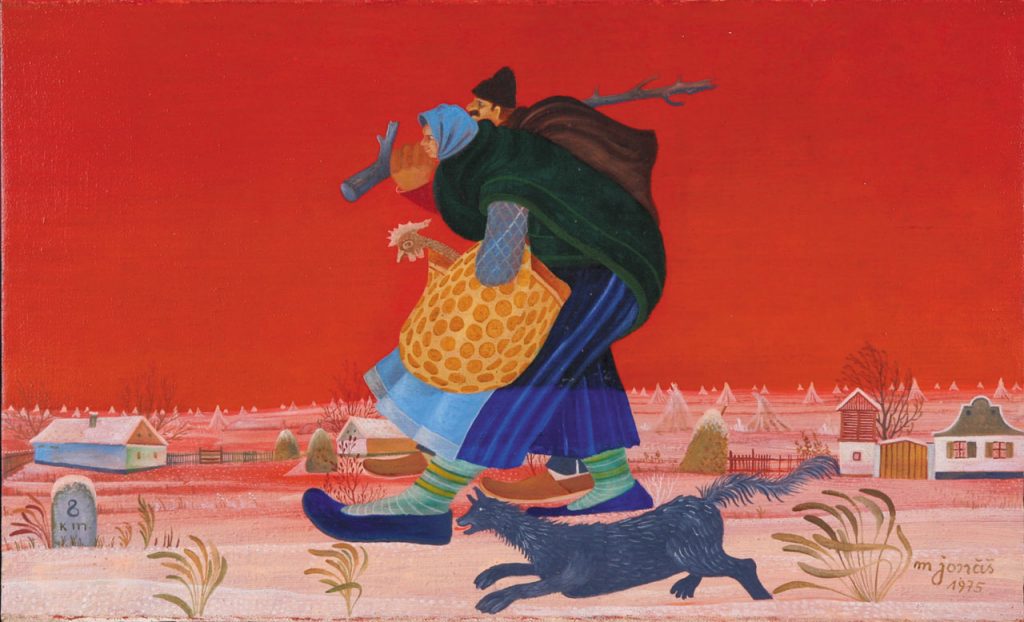

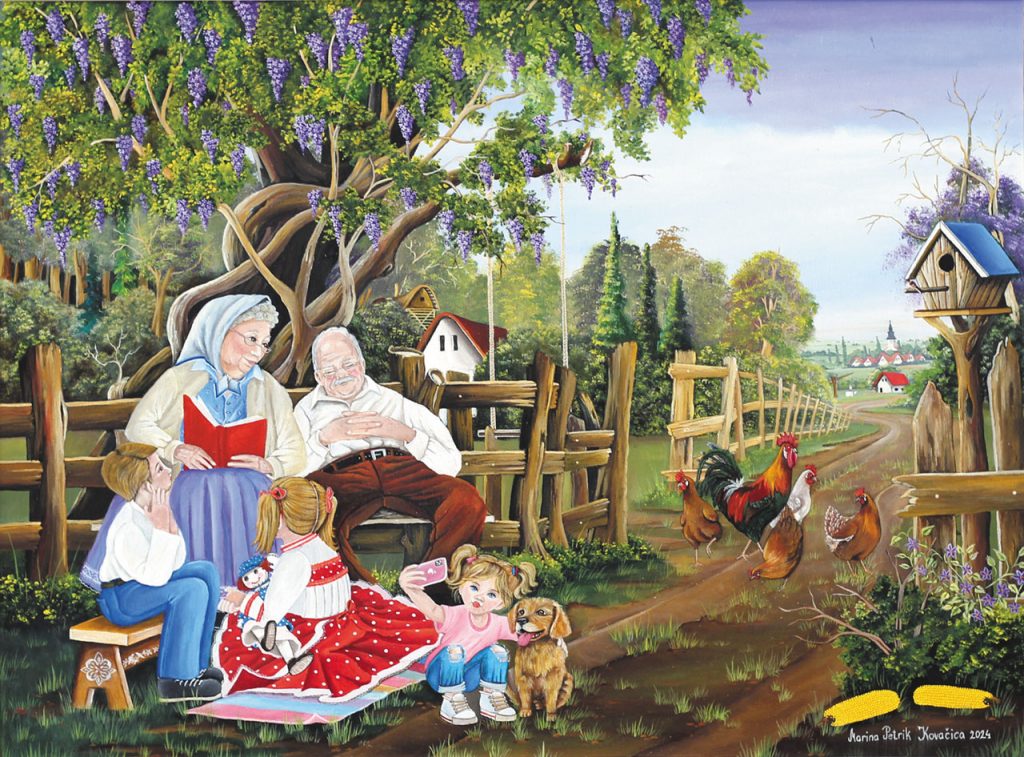
This dialogue between Serbian and Croatian naïve art affirms the universal value of the genre—one that transcends borders and becomes part of the shared cultural heritage of the world.
The exhibition “My Naïve Art” features over 60 works of art, created between the 1960s and the present day, signed by more than 40 artists from both sides of the border. Among the exhibited pieces are paintings by some of the most celebrated names in naïve art: from the iconic Zuzana Halupová, who began her artistic journey with embroidery and tapestries before gaining international acclaim for her whimsical depictions of childhood, to Janoš Mésaroš, renowned for his mystical and captivating portrayals of horses. The exhibition also showcases a new generation of contemporary naïve artists who carry this rich tradition forward—including Martin Jonáš, Jan Husarik, Zuzana Vareski, Marina Petrik, Ivan Rabuzin, Antun Bahunek, Josip Generalić, and many more.
The exhibition features works by the first generation of naïve artists, as well as pieces by newer generations who, while remaining faithful to tradition, infuse their paintings with contemporary elements. Their subjects span a wide range—from idyllic scenes of rural life, harvests, and portraits of peasants, to religious imagery and personal interpretations of traditional themes.
One of the most prominent figures of the Kovačica school of naïve art, and undoubtedly one of its most striking voices, is Zuzana Halupová (1925–2001). Through her rich and expansive body of work, she created a universal world of childhood wonder, radiant joy, and deeply felt humanity.
Born in Kovačica, Halupová had no formal artistic training, yet from a young age she displayed a remarkable sensitivity to aesthetics and ornamentation. With only five years of primary schooling, she first found creative expression through handicrafts, actively participating in the work of the local Women’s Association. Renowned for her exceptional embroidery skills, her tapestries and traditional textile works stood out for their distinctive stylistic flair. Her eye for detail, love of intricate patterns, and innovative approach to decorative design would later flow naturally into her painting style, becoming hallmarks of her visual language.
Her first encounter with oil paints came when she sold one of her tapestries for five thousand old dinars and used the money to purchase her very first painting set. Though self-taught, she possessed an intuitive gift for painting and an extraordinary precision in handling both colour and motif—skills that would soon define her unmistakable style.
Her first oil painting, Threshing Hemp, was created in 1964—not on canvas, but directly on the wall of her own home, using pigments diluted with milk. This spontaneous and organic beginning beautifully reflects the very essence of naïve art: the direct expression of the artist’s inner world, unbound by academic conventions or formal rules.
Zuzana Halupová’s rise was nothing short of meteoric. Shortly after completing her first painting, she became a member of the Gallery of Naïve Art in Svetozarevo, and in 1968, she held her first solo exhibition in Dubrovnik. Captivated by her work, foreign collectors purchased every painting on display, securing her reputation as a renowned artist at the very dawn of her career.
Her work was soon recognized in France and Germany, thanks to features in La Revue moderne and Le Figaro, and soon after in Switzerland, Italy, the United States, and Japan. Exhibitions in Zurich, New York, London, and Vienna solidified her international reputation. In 1973, she was even visited by then–French President François Mitterrand, a moment that further underscored her significance on the global art scene
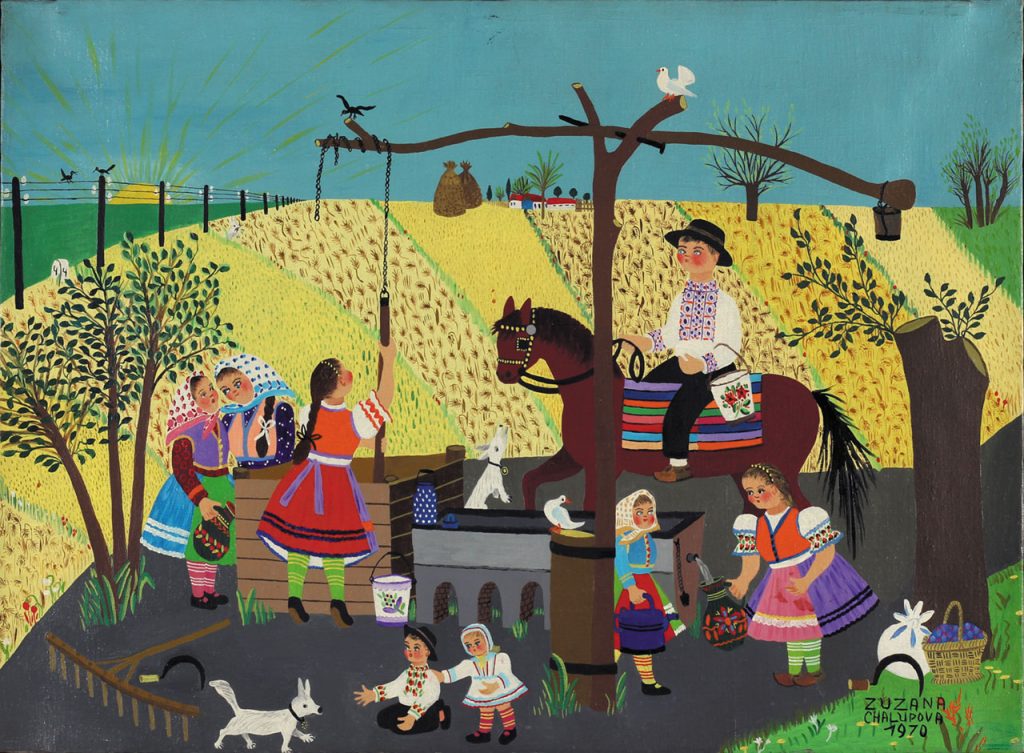
The most important and instantly recognizable motif in Zuzana Halupová’s work is the child. Perhaps because she never had children of her own, she created a world where the central visual theme is filled with joyful, playful children, often dressed in traditional Slovak costumes. Even when portraying adults, she rendered them to resemble children—with one charming distinction: the men wore moustaches.
From the 1970s until the end of her life, a little girl in a pink dress—named Katka—appeared in nearly every one of Halupová’s paintings. Katka was an imaginary figure, a dreamed-up daughter, and a tender embodiment of her unrealized dream of motherhood.
Her work carries a powerful symbolism of childhood, warmth, and togetherness, and through her use of playful colours and rich detail, she conveyed the atmosphere of an idyllic world. Alongside children, she frequently painted winter scenes, the Evangelical Church in Kovačica, and biblical themes. Her compositions often included additional elements—storks, angels, doves, flowers, celestial figures, and folk motifs—weaving together images that became visual narratives, each telling its own gentle, dreamlike story.

In 1974, Halupová painted a monumental work for UNICEF titled Children of the UN—a piece filled with powerful symbols of peace and humanity. At the heart of the composition stands the globe, encircled by children from around the world, angels, olive branches, and the UNICEF headquarters. That same year, her painting Winter was selected for UNICEF’s official New Year’s card, printed in two million copies. This global recognition further cemented her place among the greats of naïve art.
As part of the “My Naïve Art” exhibition at the Madlena Palace of Arts, visitors can view two of her most celebrated compositions—Winter Magic and At the Water Trough—in which she, at the height of her creative powers, captured both the serenity of a winter idyll and the playful spirit of childhood.
Halupová was not only an artist, but also a humanitarian. Many of her works were created as donations for charitable causes. Her monumental painting dedicated to the Red Cross in Geneva depicts children and Red Cross volunteers dressed in traditional Slovak costumes. Her symbolic 1978 work, Let’s Protect Cultural Monuments, places the Gračanica Monastery in the foreground, surrounded by Orthodox priests, birds, icons, and joyful children.
Zuzana Halupová left behind a legacy of over two and a half thousand paintings, securing her place as one of naïve art’s most prolific and influential voices. Her works are housed in museums and private collections around the world, and her contribution to naïve art is forever etched into the cultural heritage of Kovačica.
What gives the exhibition “My Naïve Art” particular significance is the recent inclusion of naïve painting from Kovačica on UNESCO’s list of Intangible Cultural Heritage. With this recognition, Serbia became the first country in Europe to have the artistic heritage of a national minority inscribed on that prestigious list.
This prestigious recognition is a tribute to a century-old painting tradition, born from the hearts of self-taught artists and now an enduring part of the region’s cultural identity.
In an age where contemporary art is often wrapped in layers of theory, naïve art offers a vision rooted in clarity and an authentic experience of reality. Within the elegant halls of the Madlena Palace of Arts, the works of Halupová and her contemporaries find a new dimension—a quiet resonance of colour and a clear-eyed view of the world that, though simple in form, is anything but superficial.
That is why we do not view naïve art as a nostalgic relic of the past, but as a living artistic form—one that reminds us that emotion is the most valuable currency, and sincerity the greatest gift.
Translation by: Tea Alfirov Kožul